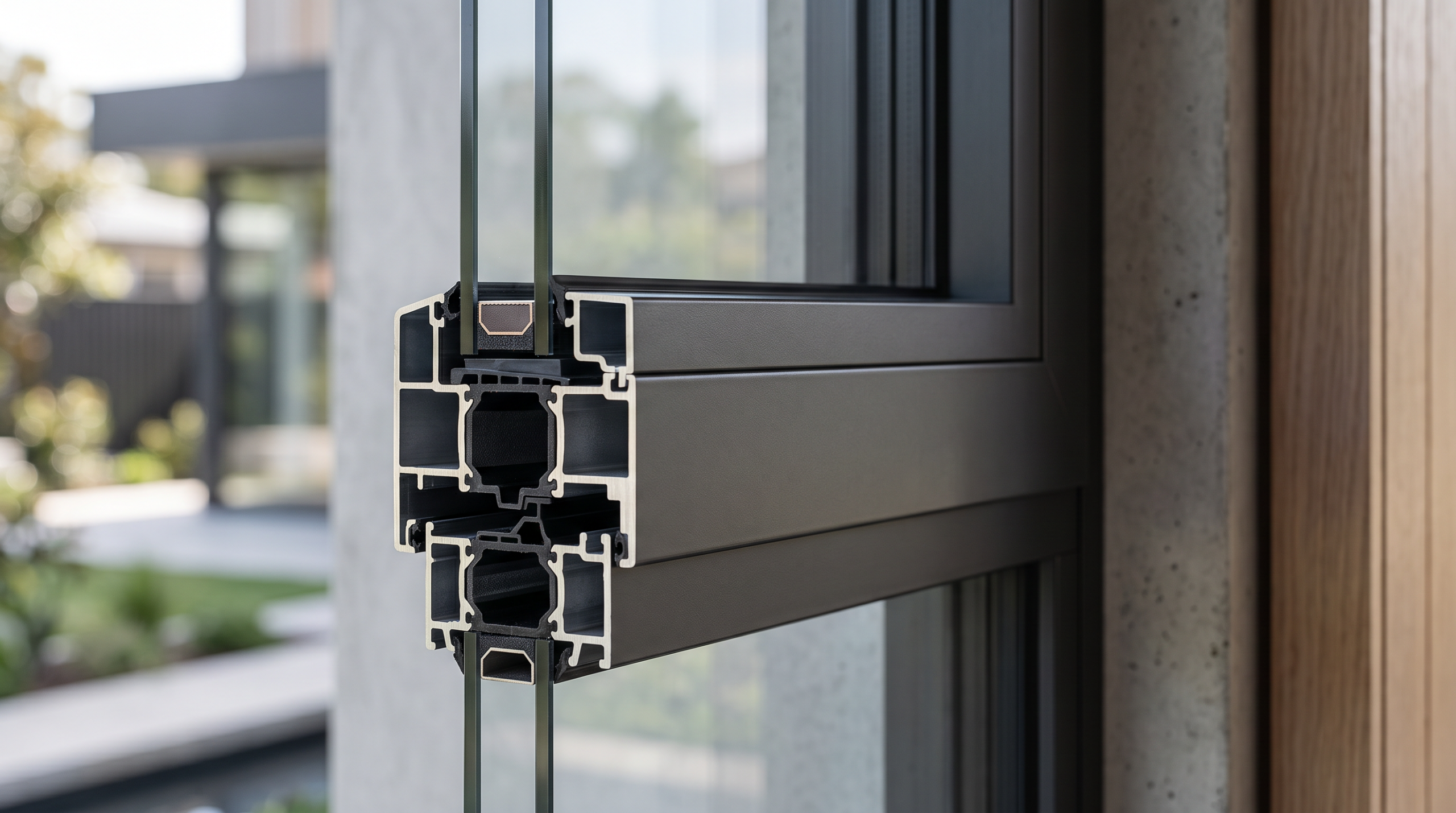
When choosing windows for your home, it is easy to focus on appearance, color, and price. But some of the most important parts of a window are the details you don’t immediately see.
Good window insulation depends on the complete system: glass, spacer, aluminum thickness, brushes, rubber seals, hardware, and professional installation.
All of these components need to work together. A weakness in one area can affect the performance of the entire window.
Double Glazing and Spacer Size
Double glazing consists of two panes of glass separated by a sealed spacer, creating an additional barrier between your home and the outside environment.
Common spacer sizes include 12 mm, 14 mm, 16 mm, and 20 mm. Different sizes allow different glass configurations depending on the window and the requirements of the project.
A larger spacer does not automatically mean a better window. The glass thickness, spacer size, quality of the sealed glass unit, and the window surrounding it all need to be considered together.
This is why customers should look beyond the words “double glazing” and understand the complete specification they are receiving.
Aluminum Thickness Is Essential
The aluminum surrounding the glass is just as important as the glass itself.
The thickness and strength of the aluminum are essential to the longevity of a window.
Windows need to support the weight of the glass while dealing with years of opening and closing, wind, weather, and everyday use. This becomes particularly important with larger sliding windows and doors where the glass panels can be considerably heavier.
A properly designed and sufficiently strong aluminum profile helps the window maintain its shape and alignment over time.
This also affects insulation.
When the frame and sash remain properly aligned, the brushes, rubber seals, locks, and meeting points can continue making contact where they are supposed to.
Brushes and Rubber Seals Are Extremely Important
Glass and aluminum receive most of the attention when people shop for windows, but the brushes and rubber seals between the different parts of the window are extremely important to its performance.
These components help close the small spaces between moving and fixed parts of the window.
In a sliding window, for example, the panels must be able to move freely along the tracks. This naturally creates areas where different aluminum profiles meet.
Quality brushes and rubber seals help close these areas when the window is shut, reducing the passage of air, dust, water, and outside noise.
The design is important, but so is the quality of the materials.
Brushes need to maintain proper contact with the aluminum profiles, while rubber seals need to remain properly positioned and flexible enough to create an effective seal.
A window with good glass but poor sealing can still allow air and dust to enter.
This is why you should never evaluate insulation based on the glass alone.

Installation Can Make or Break a Good Window
One of the most important parts of a window is not manufactured in the factory at all.
It is the installation.
You can have quality glass, strong aluminum, excellent brushes, rubber seals, and good hardware, but if the window is installed incorrectly, it may never perform as intended.
The opening must first be measured accurately. During installation, the frame needs to be positioned correctly, kept level and square, securely fixed, and properly sealed around its perimeter.
Even a small installation error can affect how the panels meet.
If a sliding window is not properly aligned, the brushes and rubber seals may not make consistent contact. Locks may not line up correctly, and the window may become difficult to open or close.
There is also the connection between the aluminum frame and the building itself.
That perimeter must be properly sealed. Otherwise, you can have an excellent window while air, water, dust, or noise finds its way around the frame rather than through it.
Professional installation is therefore not an extra. It is part of the performance of the window.
Hardware Completes the System
Rollers, handles, locks, hinges, guides, and other accessories also influence how a window performs over time.
This is particularly important for sliding systems.
The rollers need to properly support the weight of the moving panel and allow it to travel smoothly along the track. The locking system should bring the window into its correct closed position so that the brushes and seals can work effectively.
Good components help maintain the alignment and operation of the window throughout its life.
Look at the Complete Window
When comparing quotations, don’t simply ask:
“Is it double glazed?”
Ask about the complete window.
What glass specification is being used? Is the spacer 12 mm, 14 mm, 16 mm, or 20 mm? How strong is the aluminum profile? What type of brushes and rubber seals are used? What hardware is included? And, importantly, who is installing the windows and how will they be sealed to the building?
At Hakeem Tahboub Aluminum Windows, we believe these details are what separate a window that simply looks good from one that continues performing properly over time.
The Bottom Line
Good window insulation doesn’t come from one component.
It comes from the entire system working together:
Double glazing. The right spacer. Strong aluminum. Quality brushes and rubber seals. Reliable hardware. And professional installation.
The glass creates the barrier. The aluminum provides the structure. The brushes and rubber help seal the window. And the installation brings everything together.
When comparing windows for your home, don’t only look at what you can see in the showroom.
Ask how the window is built, how it is sealed, and how it will be installed.
Those details can make the biggest difference once you’re actually living with your windows every day.
Related posts

How to Choose the Right Windows for Your Home
Choosing the right windows for your home is an important decision that goes far beyond appearance. Windows affect natura …
Read more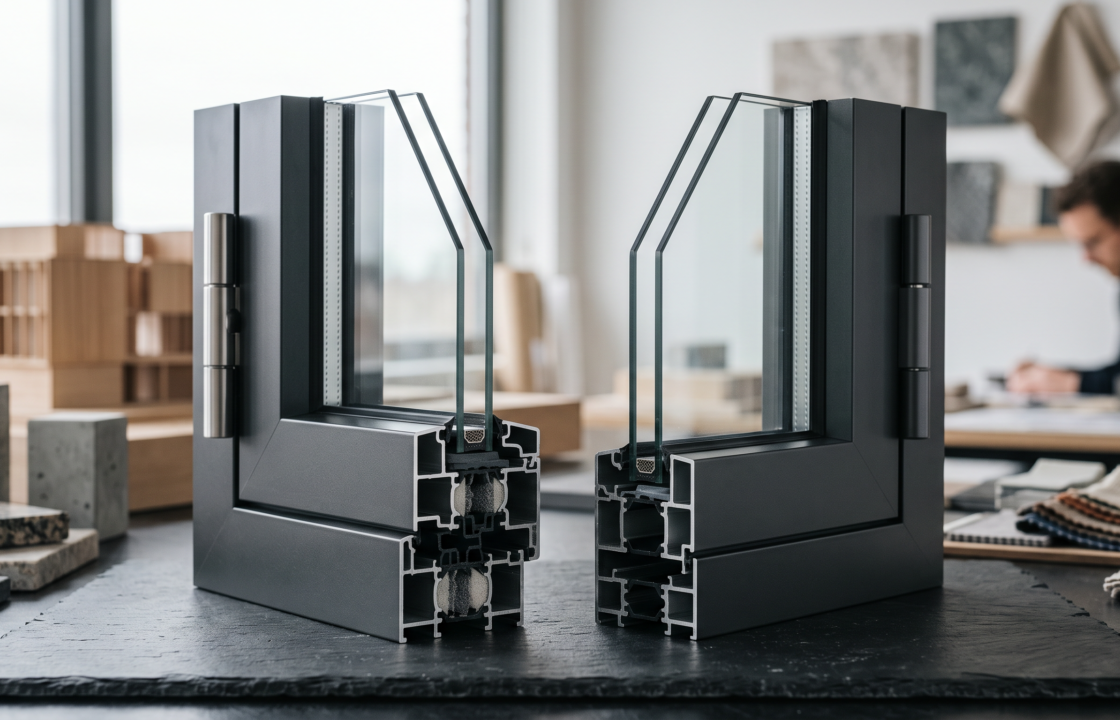
Why Two Aluminum Windows Can Have Very Different Prices
You receive two quotations for aluminum windows. The windows look almost identical. They have the same color, similar gla …
Read more