Choosing the right windows for your home is an important decision that goes far beyond appearance. Windows affect natural light, ventilation, temperature, outside noise, energy efficiency, security, and the overall comfort of your home.
They are also a long-term investment. A good window system should continue to operate smoothly and perform properly for many years.
With so many different aluminum systems, glass specifications, opening styles, and hardware options available, understanding the basics can help you make the right decision.
Here are the most important things to consider before choosing windows for your home.
1. Choose the Right Opening Style
The first consideration is how you want your windows to open.
Two of the most common choices for residential properties are sliding and hinged windows.
Sliding Windows
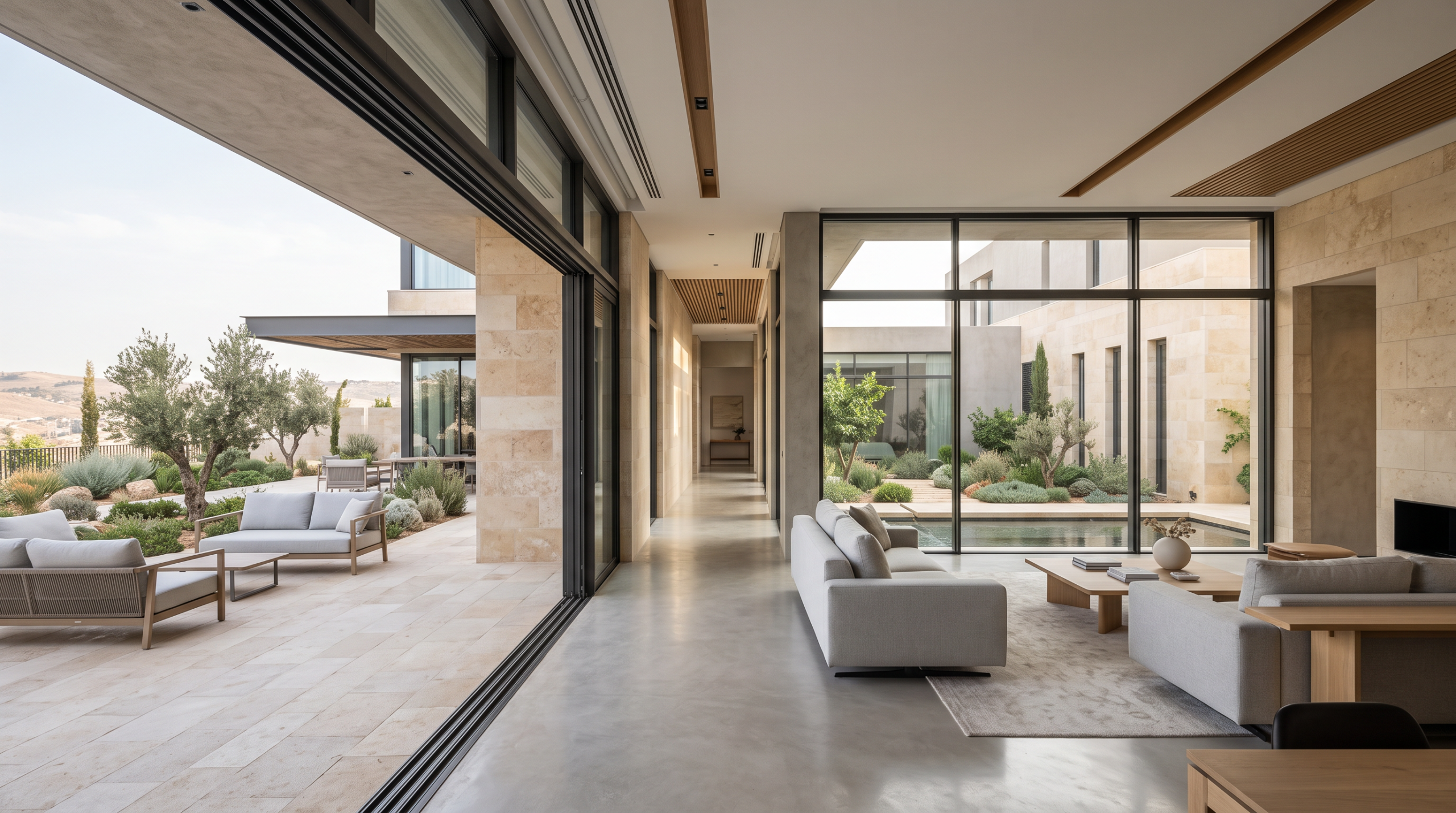
Sliding windows are practical, modern, and especially suitable for larger openings. Because the panels move horizontally along a track, they don’t require additional space to swing inward or outward.
They are commonly used for living rooms, balconies, bedrooms, and areas where large glass surfaces and open views are important.
However, the performance of a sliding window depends heavily on the design of the system. The quality of the tracks, rollers, brushes, seals, locking mechanisms, and aluminum profiles can all affect how smoothly the window operates and how well it protects against outside conditions.
Hinged Windows
Hinged windows are an excellent option when sealing and insulation are priorities.
When closed, the sash presses against rubber gaskets around the frame, creating a tight seal. This can provide strong resistance against air, water, dust, and outside noise when combined with the appropriate glass and professional installation.
Neither system is automatically better than the other. The right choice depends on the size of the opening, the room, your preferred design, ventilation requirements, and expected performance.
2. Don’t Judge a Window Only by Its Appearance
Two aluminum windows can look almost identical and still have very different levels of quality and performance.
Much of what determines the quality of a window is hidden within the system.
The design and thickness of the aluminum profiles, rollers, locks, handles, gaskets, brushes, corner connections, drainage channels, and other components all influence how the window performs.
This is why comparing windows based only on price per square meter can be misleading.
When reviewing different quotations, ask exactly what system, glass, hardware, and accessories are included.
3. Pay Attention to the Glass
Modern homes increasingly feature larger windows, meaning glass can represent the majority of the surface area separating the interior from the outside.
Choosing the right glass is therefore extremely important.
Double glazing is a popular option for modern homes. It consists of two panes of glass separated by a sealed space, which can improve thermal and acoustic performance compared with basic single glazing.
But “double glazing” alone is not a complete specification.
You should consider the thickness of the glass, the space between the panes, the type of spacer, and whether you require clear, tinted, tempered, laminated, or Low-E glass.
The best glass configuration may also vary throughout the house. A large window exposed to direct afternoon sunlight may require a different solution from a smaller window located in a shaded area.

4. Think About Thermal Insulation
Windows can significantly influence how comfortable your home feels throughout the year.
During summer, poorly performing windows can allow additional heat into the home. During winter, heat can escape through the windows and surrounding areas.
This can also place additional demand on heating and air-conditioning systems.
Good thermal performance comes from the complete window rather than one individual component.
Glass specification, aluminum profile design, seals, gaskets, brushes, locking mechanisms, and installation all work together.
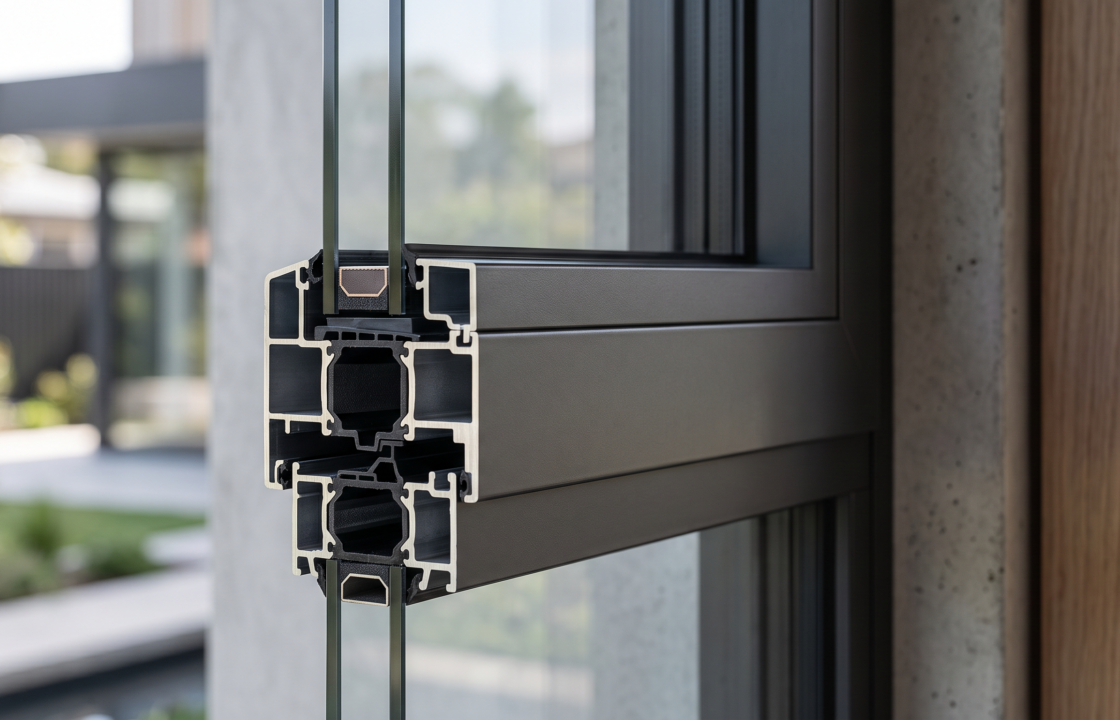
For projects where higher thermal performance is required, thermally broken aluminum systems can also be considered. These systems incorporate an insulating barrier within the aluminum profile to reduce heat transfer through the frame.
5. Consider Outside Noise
For homes near busy streets, schools, commercial areas, or other sources of noise, acoustic performance can be an important consideration.
There is no single component that makes a window “soundproof.”
Reducing outside noise requires the correct combination of glass, airtightness, seals, frame design, and installation.
Different glass thicknesses and laminated glass configurations can also be considered when acoustic performance is a priority.
Most importantly, the complete window needs to seal properly. Even small gaps can allow noise to pass through and reduce the benefit of higher-performance glass.
6. Look at the Hardware
Hardware may not be the first thing you notice when looking at a window, but it is one of the components you will interact with most often.
Handles, locks, hinges, rollers, guides, and other accessories determine how the window feels every time you use it.
For sliding systems, roller quality is particularly important. Large glass panels can be heavy, so the rollers need to carry the weight while allowing the panel to move smoothly.
For hinged systems, quality hardware helps maintain proper alignment and compression against the window seals.
Before choosing a supplier, ask what hardware is included and whether replacement components will be available in the future.
7. Water, Air and Dust Matter
A window is constantly exposed to the environment.
Rain, wind, dust, heat, and temperature changes all place demands on the system.
A properly designed window should have a drainage system that allows water entering the outer areas of the frame to escape toward the exterior.
Seals, brushes, and gaskets also help reduce air and dust infiltration.
These details may not be particularly exciting when choosing windows, but they can become extremely important once you are living in the home.
8. Installation Is Just as Important as the Window
One of the most important factors is also one of the easiest to overlook: installation.
Even a high-quality aluminum system with excellent glass and hardware can perform poorly if it is installed incorrectly.
Accurate measurements need to be taken before manufacturing begins. During installation, frames need to be level, square, securely fixed, and properly sealed around the perimeter.
Poor installation can lead to air leakage, water penetration, difficult operation, vibration, noise, and premature wear.
For this reason, don’t only ask who manufactures the window. Ask who will measure and install it as well.
9. Choose According to Each Room
You don’t necessarily need the same window configuration throughout your entire home.
A living room with a beautiful view may benefit from large sliding windows that maximize the glass area.
Bedrooms may place greater emphasis on insulation and reducing outside noise.
Bathrooms may require privacy glass and appropriate ventilation.
Kitchens may benefit from smaller sliding or hinged windows depending on the layout.
Choosing windows according to how each space will actually be used can produce a much better result than simply selecting one system for the entire property.
10. Compare Value, Not Just Price
Price will always be an important consideration, especially when purchasing windows for an entire house.
But the cheapest quotation isn’t necessarily the best value.
Windows are expected to remain in your home for many years. The quality of the aluminum, glass, hardware, accessories, manufacturing, and installation can affect how the windows perform throughout that time.
Instead of asking only:
“How much does it cost per square meter?”
Also ask:
- What aluminum system am I getting?
- What glass specification is included?
- What hardware is being used?
- What seals and gaskets are included?
- How does the system handle water and drainage?
- Who manufactures and installs the windows?
- What warranty and after-sales support are provided?
Once you have these answers, you can make a much more accurate comparison between different quotations.
Making the Right Choice
The best window is not necessarily the most expensive one. It is the window that provides the right combination of design, functionality, insulation, durability, and value for your home.
At Hakeem Tahboub Aluminum Windows, we believe homeowners should understand what they are buying before making that decision.
Our approach focuses on complete aluminum window solutions, combining carefully selected window systems, glass configurations, hardware and professional manufacturing and installation for different residential requirements.
Whether you’re looking for large sliding openings, hinged windows, double-glazing options, or a solution designed around the specific requirements of your home, the starting point should always be the same: choosing the right specification.
Because a good window shouldn’t only look good when it’s installed.
It should continue performing for years to come.
Related posts
Why Window Insulation Matters More Than You Think
When choosing windows for your home, it is easy to focus on appearance, color, and price. But some of the most important …
Read more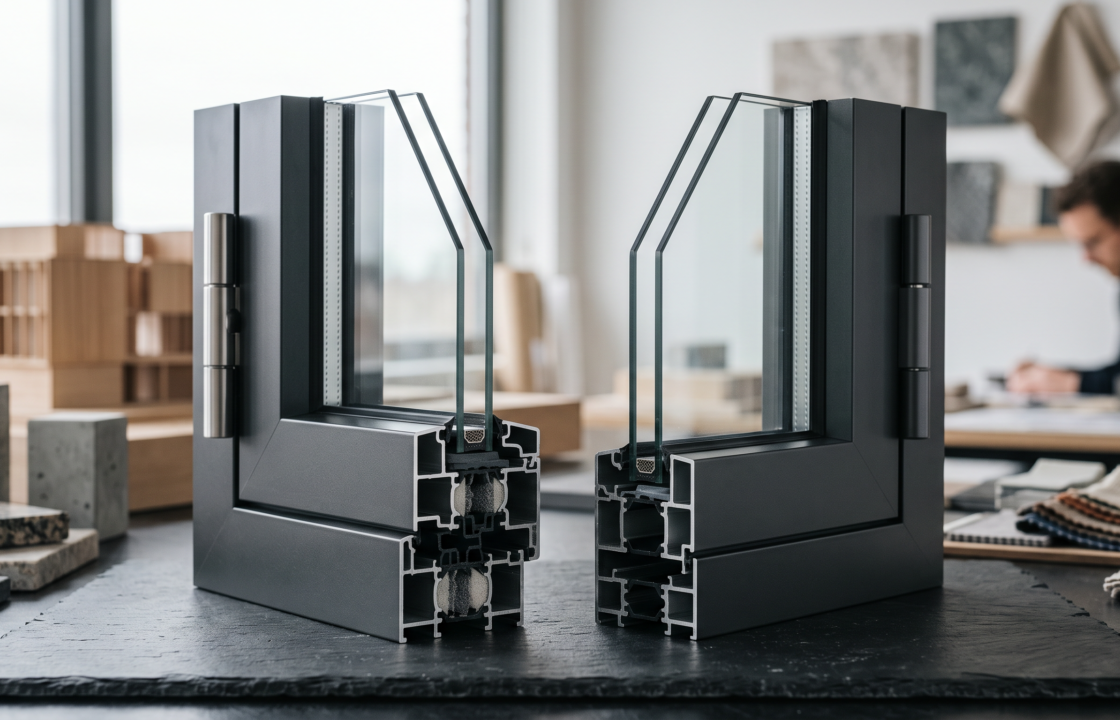
Why Two Aluminum Windows Can Have Very Different Prices
You receive two quotations for aluminum windows. The windows look almost identical. They have the same color, similar gla …
Read more